Language

time: 2026-03-12
Starting a clothing business can feel overwhelming. You might wonder if you have the resources, experience,
or knowledge to begin. But with the right steps, you can turn your vision into reality—even from home.
You can start a small clothing business from home by developing a clear plan, sourcing affordable materials, creating unique designs,
and marketing through social media This approach reduces costs and leverages accessible tools for success.
Many successful entrepreneurs started their clothing lines from home with minimal investment You’re just a few steps away from joining them.
Let’s explore the details together.
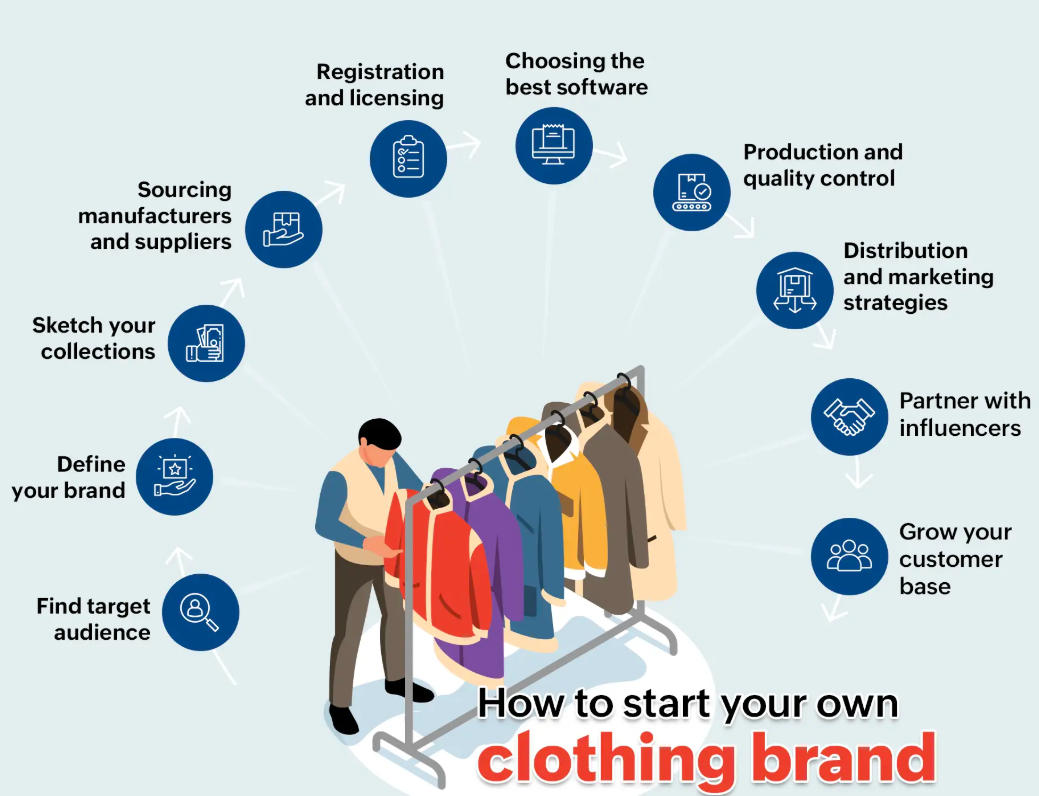
How much does it cost to start a small clothing business? Starting a small clothing business doesn’t require a huge investment, but costs can vary based on scale and resources. The cost to start a small clothing business ranges from $500 to $5,000, depending on factors like inventory size, design complexity, and marketing strategies. Keeping initial expenses low is key for beginners.
Breakdown of Initial Costs
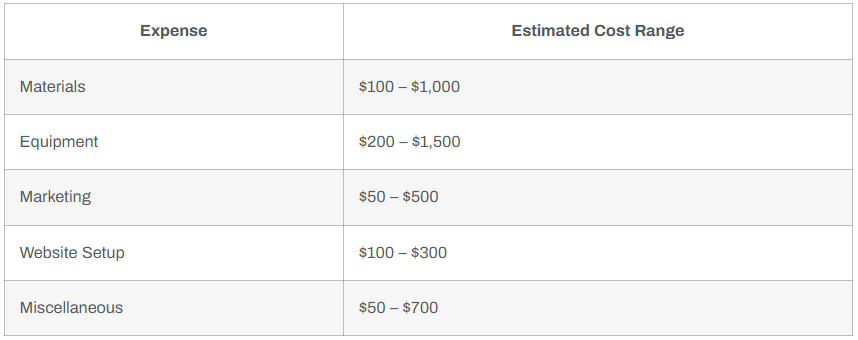
Starting small, such as selling on platforms like Etsy or Instagram, helps manage expenses while testing the market.
Keep detailed records of every cost to avoid overspending.
Is selling clothes profitable?
Many people wonder if selling clothes can be a sustainable business model. Profitability depends on strategy and execution.
Selling clothes can be highly profitable if you maintain a strong brand identity, price products strategically,
and manage operational costs effectively.
Identifying your target audience and understanding their preferences will maximize sales.
Focus on niche markets to stand out in a competitive industry.
Can I start a clothing brand with $500?
$500 might not seem like much, but it can be enough to launch a small clothing brand.
Yes, you can start a clothing brand with $500 by using cost-effective tools like print-on-demand services,
minimalist designs, and free social media marketing.
Dive deeper into this strategy by keeping inventory small and reinvesting profits to grow over time.
Starting lean minimizes risks and allows you to adjust based on market feedback.